
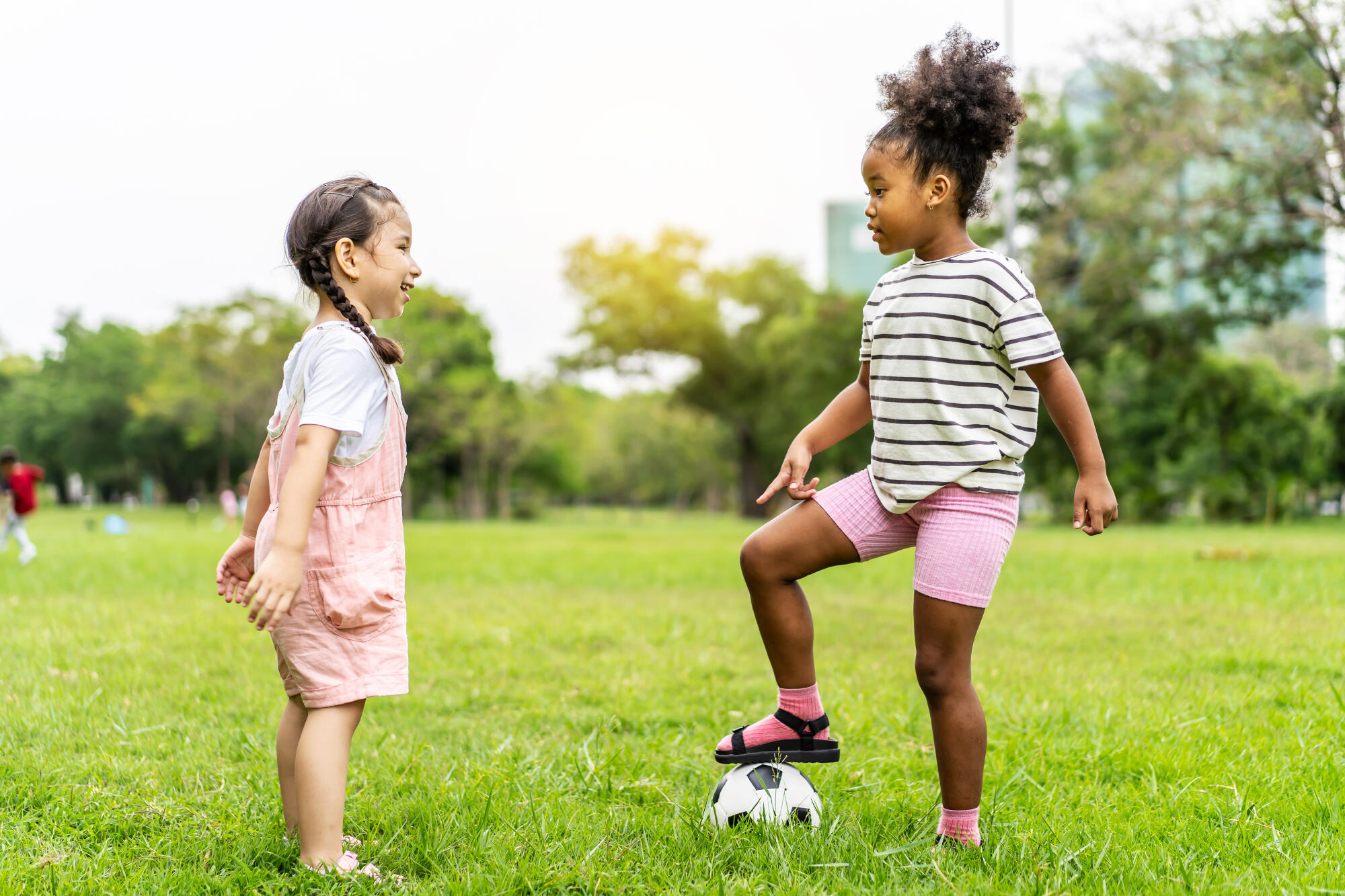
Balancing education and exercise gives children a measurable advantage in and out of the classroom. Regular physical activity strengthens the brain networks behind focus, memory, and problem-solving, while structured academics give students the skills to apply that capacity. Together, they build a foundation for stronger performance and long-term well-being.
According to the Children journal, physically active students show better grades, attendance, and classroom focus than their less active peers. Most parents know children need to move, but the depth of that connection to academic success often goes underestimated.
When daily exercise and rigorous academics work side by side, children build the focus, resilience, and confidence that carry them far beyond the classroom.
How Does Exercise Actually Change a Child’s Brain?
Regular exercise routines for students change how the brain works in ways that directly support learning. Physical activity increases blood flow and oxygen to the brain, supporting neuron growth and strengthening the networks tied to attention, memory, and problem-solving. That process directly shapes how well a child can focus during a lesson or retain information for a test.
Aerobic activity, in particular, tends to boost what experts call executive function, the set of mental skills that include planning, focus, and flexible thinking. These are the very same skills students draw on in every subject, every day. The brain releases dopamine and serotonin during physical activity, chemicals that sharpen motivation and lift mood.
A child who exercises regularly is often more alert, more engaged, and better prepared to absorb new material. So the benefits of movement show up long before a child even opens a textbook; consistent exercise, in fact, can make the entire learning process feel more natural.
The Link Between an Active Body and a Stronger Academic Record
The academic performance benefits of regular physical activity show up in measurable ways. A review by Frontiers in Public Health
shows that active students consistently score higher in reading and math, often with the same or even less study time than less active peers. That connection makes sense when you consider how much classroom learning depends on focus and mental stamina.
Physical activity strengthens the same cognitive skills that formal academics rely on, including reading, numeracy, and critical thinking. Students who move more tend to absorb and apply new information more efficiently, which naturally leads to better grades.
Why Does Well-Being Suffer When Only One Is Prioritized?
The student health benefits of combining physical activity with strong academics go well beyond grades. Children who get regular exercise tend to sleep better, manage stress more effectively, and experience fewer symptoms of anxiety and depression. Those factors directly affect how a child shows up in the classroom each day.
Academic success feeds well-being in its own right. A child who feels confident in their schoolwork builds self-esteem that carries over into other areas of life.
Team sports and group activities typically strengthen social skills and a sense of belonging, both of which are key to mental resilience. Children who are physically active and academically engaged tend to be more emotionally stable and socially connected than peers who focus on one area alone.
Some specific well-being areas that suffer without this balance include:
- Poor sleep quality linked to low activity levels and academic stress
- Increased anxiety in children who lack regular physical outlets
- Reduced social confidence in students with limited team activity experience
- Lower emotional regulation in children who spend most of the day sedentary
What a Balanced Program Looks Like in Practice
The importance of physical education goes well beyond the gym class most people picture. Many schools offer PE once a week for around 30 minutes; a schedule that the CDC suggests is too low to produce meaningful health or academic results.
A genuinely balanced education curriculum treats physical activity as a core part of the school day, and student performance reflects that commitment.
At Legacy Traditional Schools, for example, the Momentum Fitness program gives students 45 minutes of structured physical education four days a week. Students typically develop five core fitness components across those sessions: muscular strength, endurance, flexibility, cardiovascular health, and body composition. That kind of regular, structured activity builds real, lasting results for growing children.
A strong physical education program usually includes:
- Age-appropriate activities that build coordination, strength, and endurance over time
- Sport-specific skills training that teaches students to work toward shared goals
- Instruction on healthy eating and goal-setting alongside physical training
- Regular cardiovascular sessions to support brain function and classroom focus
Frequently Asked Questions
How Much Physical Activity Do School-Age Children Need Each Day?
Health experts recommend at least 60 minutes of moderate to vigorous physical activity daily for children aged 6 to 17. That activity doesn’t need to happen all at once; shorter sessions spread across the school day can produce the same health and cognitive benefits.
Can Exercise During the School Day Replace After-School Sports or Activities?
School-based physical education gives children a strong, consistent foundation for fitness and movement habits. After-school activities add variety, social connection, and extended movement time, so the two work well together.
What Should Parents Look For in a School’s Physical Education Program?
Frequency and structure matter most in a quality physical education program. Look for schools that offer PE multiple times per week, with sessions long enough to raise a child’s heart rate and build real fitness over time. Programs that cover sport-specific skills and healthy lifestyle habits give students tools they’ll carry well beyond graduation.
Where Education and Exercise Come Together
Children who move more tend to learn more, and schools that understand this deliver something genuinely valuable. Balancing education and exercise shapes students who are focused, healthy, and prepared for life beyond the classroom. Academic confidence and physical well-being grow together, each one reinforcing the other.
At Legacy Traditional Schools, that balance is built into every school day. Through the Momentum Fitness program, students receive 45 minutes of structured physical education four days a week, well beyond what most schools provide. Tuition-free and A-rated, Legacy serves Pre-K through 8th grade across Arizona, Nevada, South Carolina, and Texas.
Contact us today to find the right campus for your child.