
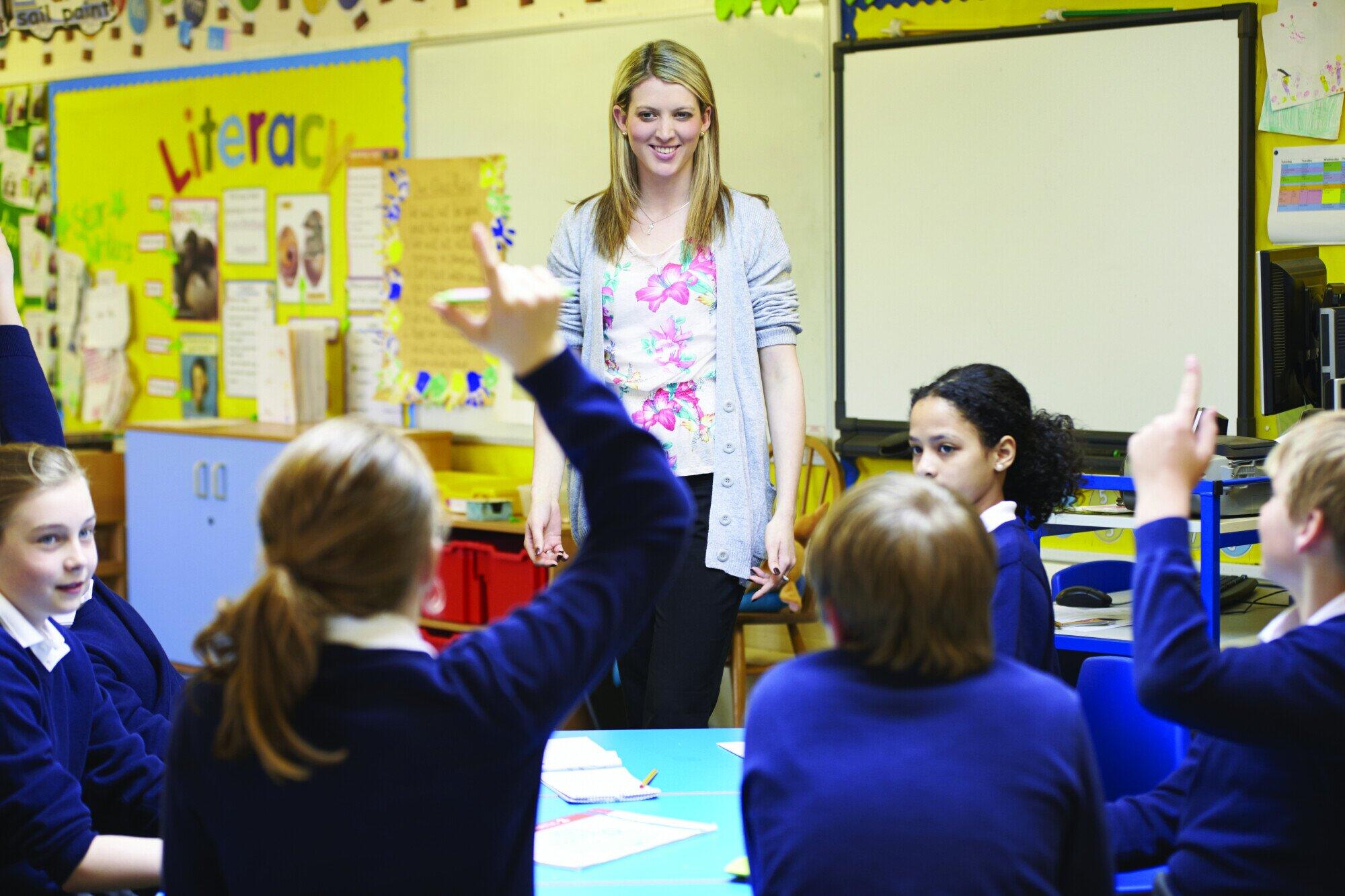
Strong foundational skills in reading, writing, and mathematics form the backbone of effective K-8 education because students who master the basics are more likely to achieve academic success later in life. According to The Guardian, research shows that many U.S. students struggle to reach basic proficiency in reading and math, with a significant share performing below expected levels on national assessments.
Have you ever wondered why some students fall behind in school while others stay on track? The answer often lies in whether they built a strong academic foundation during the early years. Today we’re taking a closer look into why back-to-basics education holds promise for stronger long-term outcomes, how it integrates with innovative teaching methods, and more.
What Is the Back-to-Basics Movement in Education?
The back-to-basics movement in education focuses on building strong academic skills before students move on to harder work. It puts daily attention on reading, writing, and math so kids gain confidence through steady progress.
Three main ideas define this approach:
- Core academic skill mastery
- Clear structure and consistency
- Progress built through practice and feedback
Core Academic Skill Mastery
Back-to-basics education starts with the skills students use in every subject. Reading matters in science, history, and even math word problems.
Writing helps students explain what they know in a clear way. Math basics like number sense and fluency support everything from fractions to algebra. When students build these skills early, they create a stronger foundation for K-8 learning that lasts for years.
Clear Structure and Consistency
Many back-to-basics classrooms follow predictable patterns. Teachers give direct instruction, then students practice with support, and then they work on their own.
Expectations stay clear, and students know what success looks like. That kind of structure helps students stay focused and feel secure. It also supports classroom behavior and time management, which leads to better learning.
Progress Built Through Practice and Feedback
Students improve when they get enough practice and quick feedback. A back-to-basics approach uses repetition with purpose, not busywork.
Teachers check for understanding, correct mistakes early, and help students try again. Over time, small wins build momentum. That’s one of the biggest teaching philosophy benefits, and it plays a real role in transforming student learning.
Why Core Skills Must Come First in K-8 Learning
Core skills need to come first in K-8 education since every subject depends on them. When students can read well and work confidently with numbers, school feels more manageable. A strong foundation for K-8 learning supports growth year after year.
There are three main reasons core skills should lead the way:
- Reading as a gateway skill
- Math fluency that supports future success
- Mastery that prevents learning gaps
Reading as a Gateway Skill
Reading affects almost every part of a student’s day. Students read directions, story problems, articles, and classroom notes.
Weak reading skills can make a capable student feel lost. Struggles with decoding or vocabulary often lead to poor comprehension.
Once that happens, students may avoid reading tasks or stop trying. Back-to-basics education gives reading steady attention, which helps students build fluency and confidence.
Math Fluency That Supports Future Success
Math works the same way. Students can’t focus on higher-level thinking if basic computation feels slow or stressful. Math facts, place value, and mental math help students solve problems faster.
When those skills stay shaky, fractions and multi-step problems become harder than they need to be. Building fluency early makes later math feel less intimidating and more predictable.
Mastery That Prevents Learning Gaps
Some students move forward without fully understanding what came before. That creates gaps that grow over time. Back-to-basics education slows down when needed and builds skills step by step.
Students practice, get feedback, and improve through repetition that has a purpose. That approach supports transforming student learning by helping students feel capable instead of overwhelmed.
K-8 Education: How the Back-to-Basics Model Fits Every Grade Level
Back-to-basics education works well across grade levels since it meets students where they are and builds skills in a steady way. There are three ways the approach supports students across K-8:
- Strong early skill-building in K-2
- Growing independence and fluency in grades 3-5
- Higher-level thinking built on basics in grades 6-8
Strong Early Skill-Building in K-2
The early grades focus on reading and math habits that shape everything that comes later. Students work on phonics, letter sounds, and basic sight words. They practice writing letters and forming simple sentences.
Math starts with counting, place value, and early addition and subtraction. Teachers often use repetition and routines, which help young students feel secure. When students master these skills early, they gain a real foundation for K-8 learning.
Growing Independence and Fluency in Grades 3-5
By grades three through five, students need stronger reading stamina and better writing structure. Reading moves toward comprehension, vocabulary, and fluency.
Writing becomes more organized, with clear paragraphs and stronger grammar. Math shifts into multiplication, division, and problem-solving.
Back-to-basics education supports students by keeping practice consistent while raising expectations. Students learn to show their work and explain answers in complete sentences.
Higher-Level Thinking Built on Basics in Grades 6-8
Middle school students face more complex texts and deeper math concepts. They read to analyze, compare ideas, and support opinions with evidence.
Writing becomes more formal, with essays and structured responses. Math builds toward fractions, equations, and pre-algebra reasoning.
When students enter these grades with strong skills, transforming student learning becomes more realistic. Students can focus on ideas instead of struggling with the basics.
The Teaching Philosophy Benefits of Structure, Routine, and Mastery
A strong back-to-basics education model doesn’t rely on guesswork. It uses structure, routine, and mastery to help students feel steady and capable. There are three ways structure and mastery shape better learning habits:
- Structure that supports focus and confidence
- Routine that strengthens learning habits
- Mastery that builds motivation and independence
Structure That Supports Focus and Confidence
Structure gives students clear steps to follow. Teachers explain the goal, model the skill, and guide students through practice.
Students don’t have to wonder what to do next. That lowers stress and improves attention.
When expectations stay consistent, students spend less time feeling confused. They spend more time learning. A stable classroom rhythm helps students stay on task, even when the work gets harder.
Routine That Strengthens Learning Habits
Routine builds habits that students carry into every subject. Daily reading time, math practice, and writing expectations create steady progress.
Students learn how to start work, check directions, and manage their time. Those habits matter in K-8 education since students grow into more independent learners each year. Routine can even support students who struggle with organization or get distracted easily.
Mastery That Builds Motivation and Independence
Mastery means students don’t move on until they truly understand the skill. That approach values progress over speed.
Practice becomes more meaningful when students see improvement. Success builds confidence, and confidence leads to effort. Over time, transforming student learning becomes possible when students believe they can handle challenges and solve problems on their own.
The Teacher’s Role: Direct Instruction, Guided Practice, and Accountability
Teachers play a central role in back-to-basics education. Their actions shape how clearly students grasp new skills and how confident they feel using them. Strong instruction, steady support, and clear expectations work together to create a foundation for K-8 learning.
There are three ways teachers support student growth through daily practice:
- Direct instruction with clear goals
- Guided practice with timely feedback
- Accountability that builds responsibility
Direct Instruction With Clear Goals
Direct instruction gives students a clear starting point. Teachers explain the skill, model it step by step, and use simple language. Lessons stay focused on one goal at a time.
Students know what they are learning and why it matters. That clarity reduces confusion and keeps attention on the task. In K-8 education, clear instruction helps students build skills in the right order, which supports long-term progress.
Guided Practice With Timely Feedback
After instruction, guided practice gives students a chance to try the skill with support. Teachers watch closely and step in when students struggle.
Feedback happens right away, so mistakes don’t turn into habits. Students feel supported instead of judged.
Practice feels purposeful when students see improvement. Over time, that steady guidance plays a key role in transforming student learning.
Accountability That Builds Responsibility
Accountability helps students take ownership of their work. Teachers set expectations and follow through each day. Assignments get checked, and effort matters.
Students learn that practice counts and progress comes from consistency. That mindset supports independence as students move through grade levels. In a back-to-basics education setting, accountability builds confidence and prepares students for higher expectations later on.
Frequently Asked Questions
Does Back-to-Basics Education Leave Room for Creativity?
Yes, creativity still has a place in a structured classroom. Students often feel more confident when they know the rules of writing, reading, and math.
That confidence can lead to better ideas and stronger work. Creativity shows up in how students explain answers, write stories, or solve problems.
Innovative teaching methods can support creativity when teachers keep the focus on skill-building. A student who writes clear sentences can take bigger risks with style and voice.
A student who understands math basics can explore more than one way to solve a problem. Strong skills don’t limit creativity. They give students more tools to express it.
How Does This Approach Support Advanced Learners Without Holding Them Back?
Back-to-basics education doesn’t have to slow down students who learn quickly. It can help them move faster by removing gaps and building strong habits.
Advanced students often benefit from higher-level reading, longer writing assignments, and deeper math problems. Teachers can push students to explain their thinking in more detail.
They can assign more challenging vocabulary and stronger expectations for grammar and structure. Some students may work ahead in math while still practicing core skills. Teaching philosophy benefits show up when students feel challenged, not bored, and keep growing at a steady pace.
What Does “Rigor” Look Like in K-8 Classrooms Using This Model?
Rigor means students do meaningful work that requires effort and focus. In K-8 education, rigor can look like reading a text more than once to understand it better.
It can look like writing full responses with clear evidence and correct grammar. In math, rigor can mean showing steps and explaining why an answer makes sense.
Teachers raise expectations while still offering support. Students learn to stay with a problem instead of giving up quickly. A strong foundation for K-8 learning makes real rigor possible, since students can focus on thinking instead of struggling with basic skills.
How Can Parents Reinforce Foundational Skills at Home Without Stressing Kids Out?
Home support works best when it feels steady and simple. Reading together for 15 minutes a day can build fluency and attention. Short math practice helps students stay sharp without feeling overwhelmed. Parents can ask kids to explain what they read in their own words.
They can review basic math facts through quick games or flashcards. A consistent homework routine can reduce frustration and improve focus. Small habits often lead to transforming student learning over time, especially when kids feel supported instead of pressured.
What Skills Should Students Ideally Master Before Entering High School?
Writing skills should include clear paragraphs, organized essays, and correct grammar. Math readiness includes fluency with fractions, decimals, and basic algebra skills like solving simple equations. Study habits matter too.
Students should know how to take notes, manage deadlines, and prepare for tests. K-8 education plays a big role in building these habits early. Teaching philosophy benefits show up when students feel prepared instead of anxious.
Transforming Student Learning
Back-to-basics K-8 education strengthens the skills students rely on every day, from reading and writing to math fluency and problem-solving.
Legacy Traditional Schools is a network of tuition-free public charter schools serving Pre-K-8 students in Arizona, Nevada, and Texas. With 22 campuses, 915+ teachers, and 22,170+ students, we focus on a traditional, back-to-basics education that builds strong skills in reading, writing, and math. Since 2007, our A-rated schools have supported academic excellence while helping students grow into well-rounded learners through arts, athletics, and enriching clubs.
Get in touch today to find out how we can help with your child’s progress!