
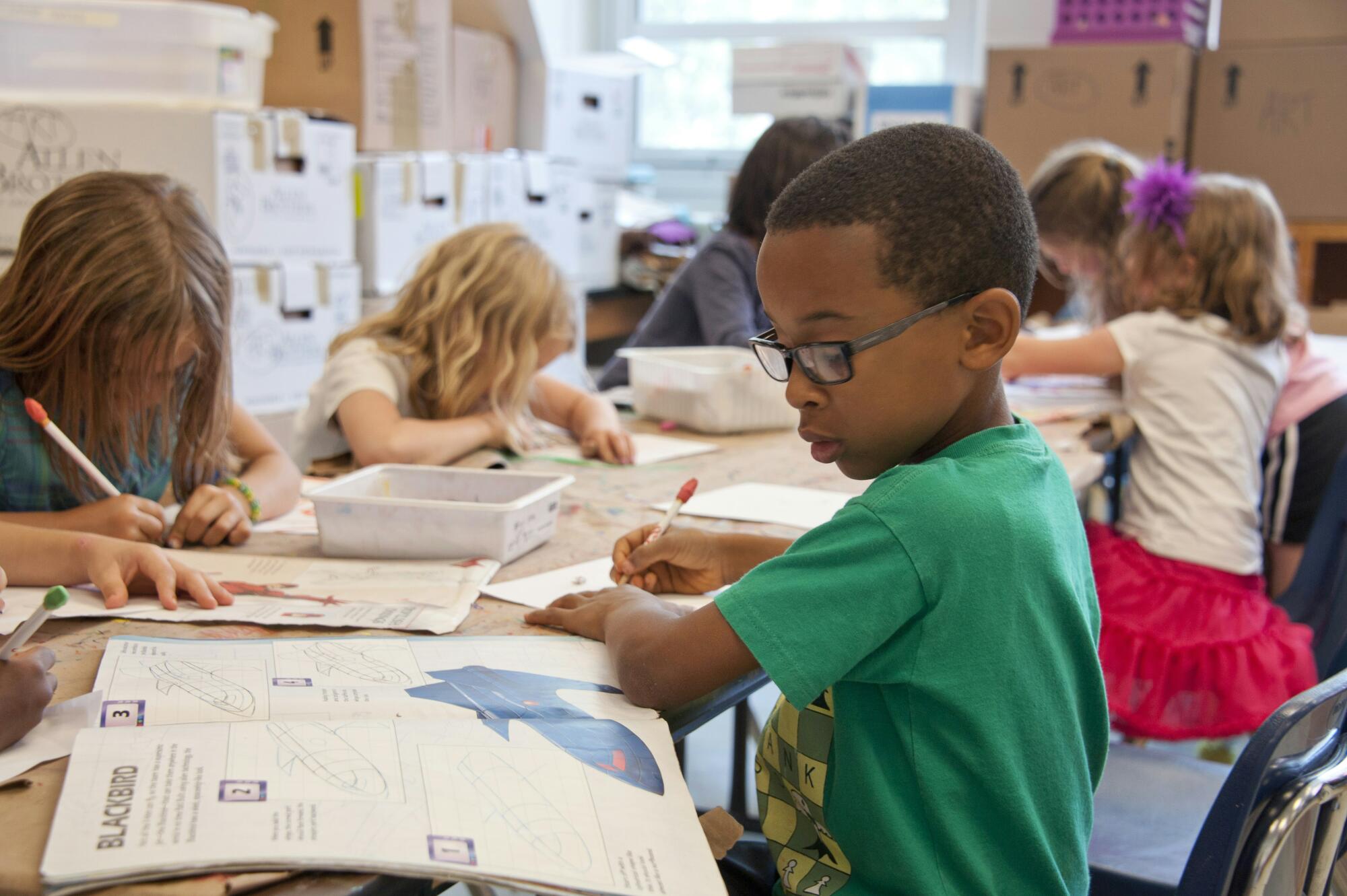
A traditional school environment is structured, predictable, and guided by clear expectations. Traditional schooling is often strict enough to protect learning time, but the strongest campuses use structure to support students, not pressure them.
School structure shapes a child’s day, and the right balance can support both learning and well-being. Parents want order, safety, and strong academics, along with classrooms where children feel respected and confident. Many Arizona families ask: How strict is a traditional campus?
The answer depends on how the structure is used. For some, “strict” means rigid rules. For others, it means clear expectations and focused learning.
When routines are consistent, and teachers guide behavior fairly, students know what to expect and how to improve.
Children often do well when expectations are clear and support is steady. Strong routines can build confidence and responsibility. Parents can learn more by reviewing a school’s curriculum, values, and daily expectations before requesting enrollment information.
Is Traditional Schooling Strict?
Clear expectations help protect learning time. Traditional schooling can feel strict because it values:
- Order
- Time management
- Academic effort
Students may follow:
- Set schedules
- Dress codes
- Homework routines
- Respectful behavior rules
Strict does not have to mean severe. Teachers can:
- Explain rules
- Model behavior
- Correct problems early
Strong discipline should guide students, not shame them. Arizona parents can look for signs of balanced structure, such as:
- Clear classroom routines
- Respectful teacher communication
- Safe, organized transitions
- Parent updates before small issues grow
A healthy approach to strictness in education helps students build responsibility. Overly rigid rules can create stress.
Weak rules can create confusion. Balanced structure gives students freedom within safe limits.
What Are the Main Features of Traditional Schooling?
A traditional model often focuses on teacher-led instruction, core academic skills, regular practice, and steady routines. A traditional curriculum usually gives strong attention to:
- Reading
- Writing
- Math
- Science
- Social studies
- Character development
Many families also want enrichment beyond core subjects. Legacy’s Arizona program pages describe tuition-free public charter schools with strong academics, structure, and a community designed to support students. Its curriculum information also highlights performing arts, fitness, and other programs that help students grow beyond core classes.
A strong model may include:
- Direct instruction
- Daily review
- Measurable academic goals
- Values-based behavior expectations
- Enrichment through arts, STEM, clubs, and fitness
Many parents value a school culture that blends structure with opportunity.
How Discipline Works in a Structured Classroom
Student discipline practices in a traditional setting often begin with prevention. Teachers set routines before problems happen. Students know how to:
- Enter class
- Ask questions
- Turn in work
- Move between activities
Strong discipline also needs fairness. Children respond better when rules are consistent and age-appropriate.
A younger student may need simple reminders. An older student may need clear consequences, reflection, and support with personal responsibility.
Parents should ask how a school handles:
- Missed homework
- Disrespect
- Bullying
Good answers should include both correction and growth. Discipline works well when it teaches students how to make better decisions next time.
The Impact of Structure on Students
The impact of traditional schooling can be positive when the structure supports confidence. Predictable routines help many children feel secure. Students know what comes next, which can reduce classroom stress.
Structure can also support academic growth. Daily practice builds fluency in reading and math.
Teacher-led lessons can help students master skills in a clear sequence. Strong routines can also help students develop study habits.
Balance matters. Students need:
- Order
- Creativity
- Movement
- Friendship
- Encouragement
Programs in music, visual arts, STEM, physical education, and clubs can help students explore interests while still benefiting from a focused academic day.
How to Choose a Charter School With a Healthy Structure
An education system analysis should look beyond test scores. Parents should review:
- Daily routines
- Teacher support
- Curriculum design
- Safety practices
- Enrichment options
A campus tour can show how the structure feels in real life.
Look for classrooms where students appear engaged, not tense. Ask how teachers support students who need extra help.
Review communication habits between school and home. Ask about:
- Reading
- Writing
- Math
- Science
- Technology
- Arts
- Physical education
A strong charter school should make expectations clear. It should also give students room to grow.
The goal is not control for control’s sake. The goal is a learning environment where children can focus, belong, and improve.
Frequently Asked Questions
How Can Parents Tell Whether a School Is Too Strict?
Parents can look at tone, not just rules. A school may have firm expectations and still feel warm. During a tour, notice how adults speak to students.
Respectful correction is a good sign. Public embarrassment, fear, or unclear consequences are warning signs. Ask whether students receive:
- Reminders
- Support
- Chances to improve after mistakes
Why Do Some Students Thrive in a Traditional Classroom?
Some students do well when the school day feels predictable. Clear routines can help children focus on learning instead of guessing what comes next. Students who like goals, practice, and direct guidance may gain confidence faster in a structured setting.
Many families also value steady homework habits and strong foundations in core subjects.
What Should Arizona Parents Ask Before Requesting Enrollment Information?
Questions about reading support, math growth, technology use, clubs, arts, fitness, and parent involvement can reveal how the school supports the whole child. Parents should also ask about:
- Curriculum
- Classroom routines
- Teacher communication
- Enrichment
- Discipline policies
Families should also ask how the campus helps new students adjust socially and academically.
Request Information About Traditional Schooling in Arizona
Traditional schooling can be strict, but the right kind of structure is supportive, clear, and focused on student growth. Arizona parents want a school that builds academic habits while also developing character and creativity.
Legacy Traditional Schools gives families access to tuition-free public charter schools in Arizona with a back-to-basics K-8 curriculum, structured classrooms, parent partnership, and programs in STEM, performing arts, visual arts, fitness, and clubs. The school network was founded in 2007 and serves families across many Arizona communities.
Request information today to learn more about how Legacy Traditional Schools can support your child’s education journey in Arizona.