
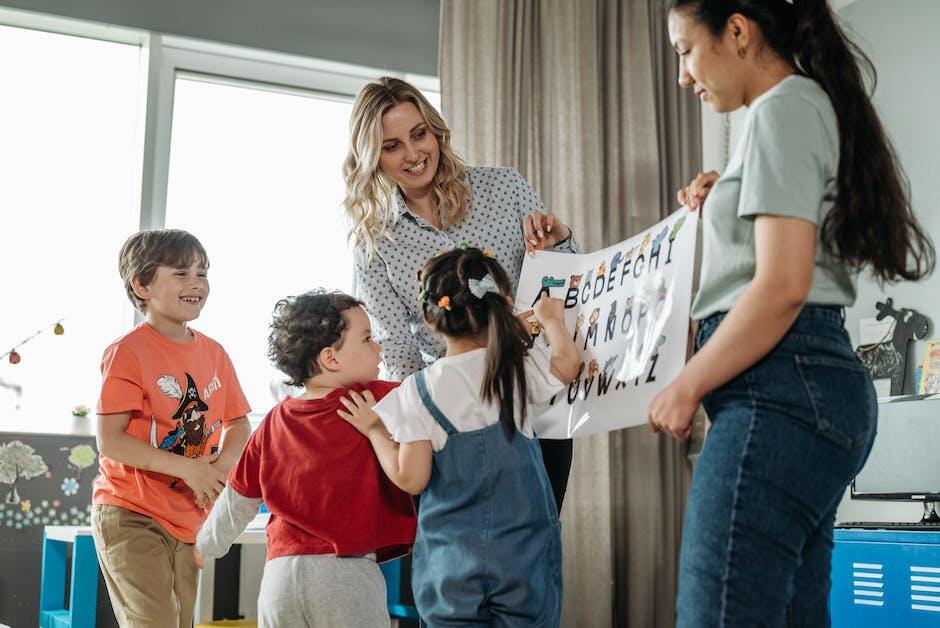
Strong parent-teacher communication directly supports a child’s academic performance and sense of well-being by keeping parents informed about classroom expectations and helping teachers understand a child’s home environment. When communication is consistent, clear, and respectful, children tend to have better attendance, behavior, and engagement in learning than peers whose families and teachers are disconnected.
Have you ever wondered why some children thrive while others struggle despite similar instruction? Join us as we look into proven strategies for effective parent communication that build trust, help clarify expectations, and create smoother school and teacher collaboration.
What is Parent-Teacher Communication?
Parent-teacher communication is the ongoing exchange of information between families and educators about a student’s learning, behavior, and progress. There are three main parts of strong parent-teacher communication:
- Shared information and context
- Clear expectations and follow-through
- Respectful school and teacher collaboration
Shared Information and Context
Teachers see how your child learns in a classroom setting. Parents see how their child handles routines, stress, motivation, and homework at home.
When both sides share what they notice, it creates a fuller picture of the student. A teacher might learn that a child struggles with sleep or anxiety before tests.
A parent might learn that the child avoids certain tasks during independent work. Small details like these can help adults respond with more support and less frustration.
Clear Expectations and Follow-Through
Effective parent communication helps reduce confusion for everyone. Parents can ask what “good progress” looks like in that grade.
Teachers can explain classroom routines, grading rules, and behavior expectations. When adults agree on what the child should work on, it’s easier to reinforce the same message at home and at school.
Respectful School and Teacher Collaboration
Building school relationships starts with trust and steady communication. Parent involvement in education doesn’t mean constant contact. It means showing up when it matters, staying calm, and working as a team to support the child’s growth.
Why Parent-Teacher Communication Shapes Student Success
Strong parent-teacher communication can change how a child experiences school in real ways. There are a few key ways:
- Earlier support and fewer surprises
- Better motivation and emotional well-being
- Stronger school and teacher collaboration
Earlier Support and Fewer Surprises
Small issues can grow when no one talks about them. A child might start missing assignments, struggling with reading, or acting out in class.
If parents only hear about it after report cards, the gap is harder to close. Effective parent communication helps families understand what’s happening while there’s still time to adjust routines, study habits, or classroom supports.
Better Motivation and Emotional Well-Being
Kids often feel stress when expectations don’t match between home and school. When parents and teachers share the same message, children know what to aim for.
They’re less likely to feel confused or defeated. Parent involvement in education can help students build better habits, feel more stable, and take pride in their growth.
Stronger School and Teacher Collaboration
Building school relationships creates a team mindset. Teachers feel supported instead of challenged.
Parents feel informed instead of left out. School and teacher collaboration works best when both sides stay respectful, clear, and focused on what helps the child learn.
Common Barriers That Get in the Way
Even parents who care deeply about school can struggle with consistent communication. There are three common barriers that affect parent-teacher communication:
- Time and scheduling limits
- Stress, fear, or past negative experiences
- Miscommunication through unclear messages
Time and Scheduling Limits
Many parents work long hours or manage multiple children. Teachers juggle full classrooms and nonstop tasks.
When schedules don’t line up, messages get delayed or forgotten. Short check-ins can help.
A quick email with one clear question is often enough. A simple routine helps too, like checking the school portal once a week instead of waiting for problems.
Stress, Fear, or Past Negative Experiences
Some parents worry they’ll sound pushy. Others had bad school experiences and feel tense talking to teachers. A calm tone can lower the pressure.
Starting with a respectful line, like “I’d like to understand what you’re seeing in class,” can shift the mood. Building school relationships takes time, yet small positive contacts can make future talks easier.
Miscommunication Through Unclear Messages
Messages can go wrong when they’re too long or too emotional. Vague questions can lead to vague answers. Communication strategies for parents work best when you stay focused on one topic.
Clear school and teacher collaboration starts with clear words, a direct request, and a shared goal for the child.
The Most Effective Communication Channels
The way you reach out matters just as much as what you say. There are four common ways to connect with teachers:
- School portals and messaging apps
- Phone calls
- In-person meetings
Email for Clear, Detailed Updates
Email works well when the issue isn’t urgent. It gives you space to explain what you’re seeing at home and ask a focused question.
It’s a strong choice for effective parent communication about grades, missing work, or classroom expectations. Keep messages short, polite, and easy to answer.
School Portals and Messaging Apps for Quick Questions
Many schools use apps or online systems for communication. They’re useful for short updates like a schedule change or a simple question about homework.
Communication strategies for parents work best here when you stay brief. Long messages can get lost in a busy inbox.
Phone Calls for Sensitive or Confusing Topics
A phone call helps when tone matters. It can prevent misunderstandings, especially when emotions are involved. It’s often better for behavior concerns or ongoing struggles that need back-and-forth conversation.
In-Person Meetings for Bigger Concerns and Planning
Meetings work best for long-term issues, learning support, or repeated concerns. School and teacher collaboration often feels stronger when you can talk face-to-face. Building school relationships can grow faster when both sides feel heard and respected.
Practical Parent-Teacher Communication Habits That Actually Work
Good communication doesn’t have to be constant to be helpful. There are some important habits that can improve parent-teacher communication over time:
- Use short, consistent check-ins
- Focus on patterns, not one-off moments
- Keep messages calm and clear
- Stay organized and follow up when needed
Use Short, Consistent Check-Ins
Long messages can feel hard to answer. A short check-in works better for most situations.
You can ask one question, share one update, or confirm one expectation. Communication strategies for parents work best when they fit into real life. A quick note every few weeks can support parent involvement in education without adding stress.
Focus on Patterns, Not One-Off Moments
Kids have off days. A single low grade or rough behavior report doesn’t always mean a bigger problem.
Teachers can help more when parents ask about trends. You might ask if the issue happens often, or only during certain subjects. That keeps effective parent communication centered on what’s really going on.
Keep Messages Calm and Clear
Tone matters. Even a good question can sound harsh if it feels rushed or emotional.
Try to lead with curiosity instead of blame. Phrases like “Can you help me understand?” support school and teacher collaboration and keep the conversation open.
Stay Organized and Follow Up When Needed
It’s easy to forget details when life gets busy. Save emails, write down dates, and track what you’ve already asked. Building school relationships gets easier when communication stays clear, consistent, and easy to follow.
Handling Conflict or Difficult Conversations With Respect
Hard conversations happen in every school year. There are several ways to handle conflict without damaging building school relationships:
- Pause before responding
- Lead with questions, not accusations
- Move sensitive topics to a meeting
- Know when and how to escalate
Pause Before Responding
It’s easy to send a quick reply when you’re upset. That often makes the problem worse.
Take a moment to cool down and reread the message. If you’re still angry, wait until later.
Effective parent communication starts with self-control. Your child benefits when adults stay steady.
Lead With Questions, Not Accusations
Try to assume there’s missing information. Ask what the teacher observed and what steps were taken in class. Share what you’re seeing at home without blaming anyone.
Communication strategies for parents work best when you keep the tone respectful and child-focused. A calm question can open the door to better school and teacher collaboration.
Move Sensitive Topics to a Meeting
Some topics are too emotional for email. If the issue feels personal or complicated, ask for a phone call or meeting. Talking live helps clear up misunderstandings faster and keeps tone from getting misread.
Know When and How to Escalate
If communication stays stuck, it’s okay to involve a counselor or administrator. Keep your message brief and respectful. Parent involvement in education can include advocacy, but it works best when it stays professional and focused on next steps.
Frequently Asked Questions
How Often Should Parents Communicate With Teachers Without Overdoing It?
Most teachers don’t expect weekly updates from every family. A good rhythm is checking in at the start of the year, then reaching out when there’s a clear reason.
If your child is doing well, one message every month or two can be enough. If your child needs support, a short check-in every two to three weeks may help. Effective parent communication respects time while staying consistent.
What Should I Do If a Teacher Never Responds to My Messages?
Start by checking the channel you used. Some teachers rarely answer portal messages but respond to email.
Keep your follow-up short and polite, and wait two school days before sending it. If there’s still no reply, call the school office and ask the best way to connect. Building school relationships sometimes means finding the right path, not pushing harder.
How Can I Communicate Effectively If English Is Not My First Language?
You can ask the school if interpreter services are available for meetings. Many schools can provide support for families who speak other languages.
For written messages, keep sentences short and direct. Translation tools can help, but it’s smart to avoid slang or jokes that might not translate well. Parent involvement in education still matters, even when language feels like a barrier.
How Do I Bring Up a Concern Without Sounding Accusatory?
Start with what you’ve noticed, not what you believe the teacher did wrong. Use calm phrases like, “I’m trying to understand what’s happening,” or “Can you share what you’re seeing in class?”
Then ask one clear question and invite school and teacher collaboration. Communication strategies for parents work best when the tone stays respectful and focused on the child.
What Information Should I Share With a Teacher at the Start of the Year?
Share details that affect learning and behavior during the school day. That may include medical needs, anxiety triggers, attention struggles, or reading challenges.
Mention strengths too, like creativity or strong verbal skills. Keep it brief and avoid personal family history that doesn’t connect to school. Building school relationships gets easier when teachers have a useful context early.
How Can Divorced or Separated Parents Coordinate Teacher Communication Smoothly?
It helps when both parents agree on a shared plan for parent-teacher communication. If possible, decide who will contact the teacher and how updates will be shared.
Ask the school about access for both guardians to the portal and email list. Avoid sending conflicting messages to the teacher. Effective parent communication stays stronger when adults stay consistent.
Building School Relationships Through Communication
Parent-teacher communication works best when it’s steady, respectful, and focused on your child’s needs. Small habits like clear messages, smart timing, and calm follow-ups can build trust over time. When parents and teachers work together, students feel supported, stay motivated, and gain confidence in school.
At Legacy Traditional Schools, we’re a tuition-free network of Pre-K-8 public charter schools serving families across Arizona, Nevada, and Texas. Since 2007, we’ve focused on a traditional, back-to-basics education that builds strong skills in reading, writing, and math while shaping character and confidence. Our students grow through academics, arts, athletics, and enriching clubs. We partner with supportive parents and provide safe, well-maintained campuses designed to help every child succeed.
Get in touch today to find out how we can help with your child’s journey.