
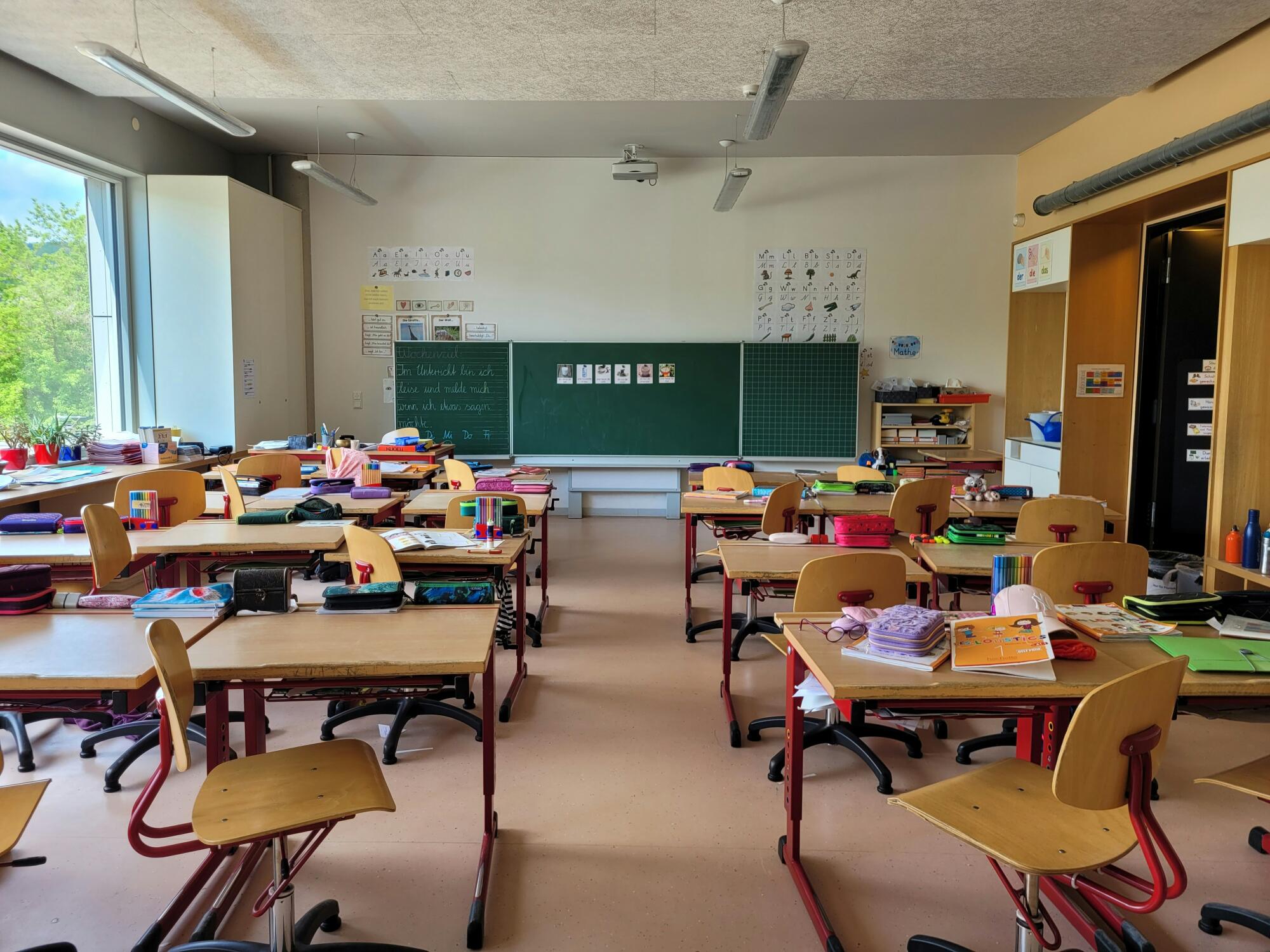
Understanding the charter school vs public school question can help families explore different learning environments, teaching styles, and academic opportunities for their child. Charter schools often focus on specialized programs and flexible approaches, while public schools provide structured programs and strong community support.
According to the National Center for Education Statistics, more than 3.7 million students attended public charter schools in the United States in 2021-2022, showing continued growth in alternative learning opportunities for families. Source: National Center for Education Statistics
Understanding the differences between charter schools and public schools can feel overwhelming when every child learns differently, and every family values different academic experiences. Some schools focus on specialized teaching models and smaller environments, while others provide wider extracurricular programs and long-established community connections. Learning how these school systems operate helps families feel more informed when exploring educational paths for their children.
How Do Charter Schools Work?
Charter schools are publicly funded schools that operate with more flexibility than many traditional public schools. Many focus on specialized academic programs, smaller learning environments, or unique teaching methods designed around specific student needs.
Most charter schools still follow state education standards and testing requirements. Enrollment policies, curriculum styles, and extracurricular opportunities can vary depending on the school and location.
What Makes Public Schools Different?
Public schools are funded and operated through local school districts and are open to students living within designated attendance areas. Many families value the broad academic programs, sports, arts, and long-standing community connections that public schools often provide.
Class sizes, resources, and specialized programs may differ from district to district. Public schools also follow state curriculum standards and provide services designed to support a wide range of learners.
Learning Environments and Teaching Styles
Every child responds differently to classroom structure, teaching pace, and learning support. Some schools focus on specialized academic models and smaller classroom settings, while others provide larger student communities with a broader mix of programs and activities. This is often where families begin exploring the different charter school benefits available in their area.
Charter schools may offer curriculum themes centered on science, arts, language immersion, or college preparation. Public schools often provide established academic systems alongside sports, music, clubs, and district-wide student resources. Both learning environments can support academic growth in different ways depending on student needs and learning preferences.
Several factors can shape the school experience:
- Smaller class sizes
- Specialized programs
- Arts opportunities
- Sports activities
- Community involvement
- Academic flexibility
A supportive learning environment can strongly influence student confidence and classroom engagement.
Looking closely at teaching methods, communication styles, and student support systems can help families better understand how each school environment operates. Small differences in classroom structure can often make a meaningful impact on daily learning experiences.
Academic Programs and Student Opportunities
Academic experiences can vary widely depending on the school’s focus, resources, and curriculum structure. Some schools emphasize college preparation and specialized coursework, while others provide broad academic pathways designed to serve large and diverse student populations. Many families exploring public school advantages often look closely at extracurricular activities, advanced placement courses, and district-supported student programs.
Public schools frequently provide a wide range of athletics, performing arts, career training, and special education services. Charter schools may focus more heavily on specific academic themes or innovative classroom models that support targeted learning goals. Both school systems can create strong educational experiences when the programs align with student interests and academic needs.
Several opportunities may influence a family’s decision:
- STEM programs
- Arts education
- Career pathways
- Language immersion
- College preparation
- Student leadership
Strong academic support can help students stay motivated and engaged throughout their school journey.
School culture also plays an important role in student success. Learning environments that encourage communication, creativity, and student participation can help build stronger confidence both inside and outside the classroom.
Understanding School Funding and Resources
Funding structures often shape the programs, staffing, and classroom resources available within a school system. Discussions surrounding charter vs public funding usually focus on how public money is distributed and how schools manage those resources to support student learning.
Public schools are typically funded through local, state, and federal sources tied to school districts and attendance zones. Charter schools also receive public funding, though the funding process may differ depending on state regulations and operational structures. Resource availability can vary widely between schools, regardless of school type.
Several areas are commonly affected by funding:
- Classroom materials
- Technology access
- Teacher support
- Student services
- Campus improvements
- Extracurricular programs
School funding can influence the overall student experience both inside and outside the classroom.
Some schools may invest heavily in specialized academic programs, while others prioritize athletics, arts, or student support services. Reviewing how schools allocate resources can give families a clearer understanding of the educational environment and the types of opportunities students may receive throughout the academic year.
Factors Families Often Consider
Families often evaluate many details when researching school environments, academic expectations, and student support systems. An educational options comparison can help clarify how different schools approach curriculum planning, classroom structure, communication, and extracurricular involvement.
Some schools emphasize highly structured academic routines, while others focus on flexible teaching models and specialized instruction. Transportation availability, enrollment policies, after-school activities, and parent involvement can also influence how a school fits into a family’s daily routine and long-term educational goals.
Several practical factors are commonly reviewed:
- Enrollment process
- Academic expectations
- Student support
- Parent communication
- Campus culture
- Activity options
Daily school experiences often shape how students feel about learning, participation, and personal growth.
Families may also look at teacher accessibility, classroom environment, and opportunities for social development. Taking time to review school programs, academic priorities, and student engagement opportunities can provide a clearer understanding of how different educational environments operate throughout the school year.
Long-Term Educational Goals and Student Growth
Long-term academic planning often involves looking beyond grades and classroom performance alone. Many families researching different school environments also explore how schools support leadership skills, independence, confidence, and future academic preparation. Conversations surrounding school choice benefits often focus on finding learning environments that align with a student’s strengths, interests, and long-term goals.
Some students thrive in highly structured academic settings with large extracurricular programs and strong community involvement. Others may respond better to specialized instruction, smaller learning environments, or schools centered around specific educational themes and teaching models. Different students often succeed under different forms of academic support and classroom structure.
A positive school experience can shape how students approach learning, communication, and future opportunities for years to come. Academic growth is often influenced by more than curriculum alone. Teacher support, student engagement, classroom culture, and access to enrichment opportunities can all contribute to how students develop confidence and stay motivated throughout their educational journey.
Frequently Asked Questions
Are Charter Schools Free to Attend?
Charter schools are publicly funded schools, which means families do not pay tuition for enrollment. Funding typically comes from state and local education budgets, though the funding structure may differ from traditional public schools depending on state laws.
Some charter schools may request optional fees for activities, uniforms, or extracurricular programs. Requirements can vary between schools and districts.
Do Public Schools Offer Specialized Academic Programs?
Many public schools offer specialized academic opportunities such as STEM programs, arts education, advanced placement courses, and career-focused learning pathways. Program availability often depends on district funding, school size, and local community support.
Some districts also provide magnet programs or specialized academies within the public school system. These programs are designed to support different student interests and academic goals.
Can Students Transfer Between Charter and Public Schools?
Students can often transfer between charter schools and public schools, though enrollment procedures and deadlines may vary by district and state. Some charter schools use lottery systems when applications exceed available spaces.
Families usually need to review residency requirements, application periods, and academic records before transferring. Policies can differ significantly depending on location.
Are Teachers at Charter Schools Certified?
Teacher certification requirements for charter schools vary by state. Many charter schools employ fully certified teachers, while some states allow alternative certification pathways for educators with specialized experience or subject knowledge.
Public schools generally follow stricter statewide certification standards. Both school types may employ experienced educators with different teaching backgrounds and instructional approaches.
Do Charter and Public Schools Follow State Testing Standards?
Both charter schools and public schools are typically required to follow state academic standards and participate in statewide testing programs. Student performance data is often used to evaluate school accountability and academic progress.
Curriculum delivery and teaching styles may differ between schools, but state assessments usually remain part of the educational system for both school types.
Understanding Charter School vs Public School Question
Understanding charter school vs public school question can help families explore different learning environments, academic structures, and student opportunities with greater confidence. Both school systems offer unique strengths that may support different learning styles, educational goals, and classroom experiences.
Legacy Traditional Schools blend tuition-free charter education with a traditional, back-to-basics curriculum that supports strong academic growth across Arizona campuses. Students can explore programs like STEM learning, performing arts, visual arts, athletics, and Legacy Online Academy while building confidence in reading, writing, and mathematics through structured classroom environments. Contact us today to discover how Legacy Traditional Schools helps students grow through engaging academics, supportive teachers, and well-rounded enrichment opportunities.